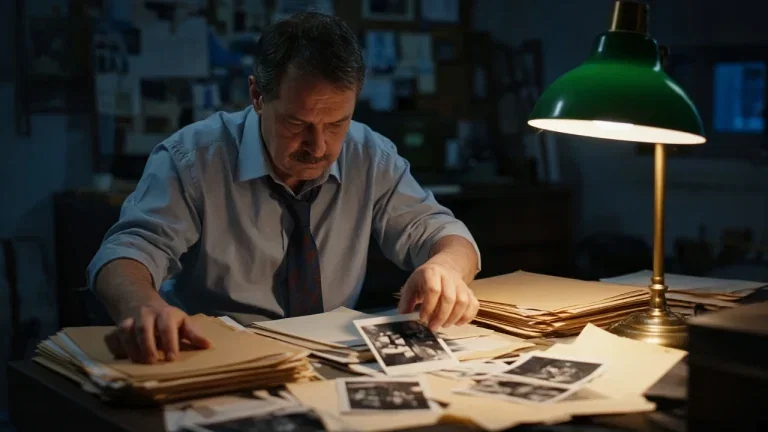
After ten years in the Marine infantry and more than a quarter-century as a police officer, I found myself facing a question many veterans and retired officers eventually face: what now? For me, the answer was writing. It was not a clean or easy transition, but it has been one of the most rewarding missions of my life.
If you have served, you carry stories most writers can only imagine. You have seen people at their best and worst. You know what courage actually looks like, and how rarely it looks like the movies. Here is some practical advice for turning a life in service into a second act on the page.
You Already Have the Raw Material
Service gives you material whether you want it or not. Long boring watches and sudden terror. Gallows humor in the patrol car. Friendships forged in conditions civilians never see. Losses you still carry. Places most people will never visit.
The challenge is not finding stories. It is choosing which ones to tell, and how. Some experiences belong on the page. Some belong only to the people who lived them. Learning the difference is part of the craft.
Fiction or Memoir?
Many veterans start with memoir, and that can be powerful. Others find that fiction gives them more freedom. Autobiographical fiction lets you tell the truth without being chained to every fact. You can change names, merge characters and invent events while keeping the emotional heart of what happened. That freedom can protect privacy, including your own, and it can let you shape real experience into a story with a beginning, a middle and an end.
My novel, The Typhoon Coast, took that route. Its hero, Trent McShane, is a composite character who is a Marine and a cop like me, but his adventure is his own.
Start Small, Finish Something
Many new writers set out to write the great American novel on day one, and many of them stall somewhere around chapter three. A better approach is to start small and finish something. Write a short essay about a single day in uniform. Write a two-page scene about a moment you still think about. Write a letter to a friend you served with, even if you never send it.
Finishing small pieces builds the muscles you will need for a book: structure, revision and the discipline to reach the end. It also gives you work you can share for feedback early, before you have invested years in a project. Think of these pieces as training evolutions. Each one prepares you for the larger mission.
Keep a Field Notebook
Carry a small notebook or keep a notes file on your phone. Write down memories as they surface, along with fragments of dialogue, smells, sounds and faces. Memory is unreliable and fades faster than we expect. A single line jotted down today can unlock an entire chapter years from now.
Your Training Transfers
The habits that served you in uniform serve you at the keyboard.
- Discipline: You know how to do hard things when you do not feel like it
- Mission focus: You can identify the objective and cut what does not serve it
- Attention to detail: You notice what others miss
- Clear writing: Years of reports and orders taught you to be specific and concise
- Resilience: You know how to take criticism, adapt and keep going
Those are not small advantages. Many aspiring writers struggle for years to build the discipline you already have.
Habits Make the Writer
Set a writing schedule and treat it like a duty assignment. Same time, same place, every day if you can. Some days the words will flow. Some days they will come slowly. Either way, show up. Progress rarely comes in giant leaps. It usually arrives one page at a time, and the writers who keep at it are the ones who finish.
What Has to Change
Some service habits need adjusting for creative work. Report writing is precise and emotionally neutral by design. Fiction needs feeling, sensory detail and voice. The just-the-facts approach that kept your reports bulletproof can make a story feel flat.
The fix is practice. Read widely, especially in the genre you want to write. Notice how authors put emotion on the page without stating it outright. Try rewriting a plain scene with smell, sound and touch. Over time, you will develop a voice that combines the clarity of a report with the depth of a story.

Learning to Be Vulnerable
The hardest adjustment for many veterans and cops is vulnerability. Our professions reward keeping emotions locked down. Good writing asks you to open the box. That can be uncomfortable and sometimes painful. Go at your own pace, and do not force yourself to write about anything before you are ready. Writing about painful experiences should heal rather than reopen the wound.
Writing About the People You Served With
Veterans and officers write about real people, and that carries responsibility. The Marines in your platoon, the partner in your patrol car and the victims and suspects you met on the job all have their own lives and their own versions of what happened. Some are still living. Some have families who will read what you write.
Consider changing names and identifying details, especially for anyone who did not choose to be in your story. Be careful with information about operations, investigations and victims that should stay private. When in doubt, ask permission, or use fiction to blend people into composites who carry the truth without exposing anyone. Telling the story honestly and protecting the people in it are not competing goals. Good writers manage both.
Find Your Squad
Writing is solitary, but no writer succeeds alone. Just as you relied on a unit in uniform, you need a community on the page.
Writers groups offer feedback, accountability and encouragement. Organizations like the California Writers Club, where I have served as Program Chair, bring writers together to learn, grow and connect. Genre organizations such as the International Thriller Writers can help you learn the business and meet other authors. Veterans writing programs and workshops exist in many communities and can be especially welcoming.
Take Feedback Like a Debrief
Critique can sting. Treat it like an after-action review. What worked? What did not? What will you do differently? Thank the people who are honest with you. The ones who only offer praise are not helping you improve.
The Healing Side of Writing
For many veterans and first responders, writing is more than a career. It can be a way to process experiences that are hard to talk about. Putting memories into words, even fictional ones, can create distance and perspective. It can help you understand what happened and how it shaped you.
That is not a replacement for professional care when it is needed. But many people find that writing complements other forms of healing. Through my podcast, Heroes for Hope, I have heard survivors tell stories that bridge the culture gap and create a shared perspective. Storytelling has real power to help people thrive beyond trauma.
Getting Your Work Out There
Once you have pieces you are proud of, start sharing them. Every publication builds confidence and credibility.
- Submit essays and op-eds to local newspapers and community publications
- Look for veterans arts magazines and anthologies
- Enter writing contests, which offer deadlines, feedback and recognition
- Share your work at readings and open mics
- Build a simple author website to collect your work in one place
My own path included pieces in local and regional publications, a military arts magazine and a prose contest before my novel came out. Small steps add up. Each one teaches you something about editing, deadlines and readers.
Traditional or Independent Publishing
When your book is ready, you will face a choice between traditional publishing, independent publishing and the options in between. Traditional publishing usually requires a literary agent and patience. Independent publishing gives you control and speed but makes you responsible for editing, design and marketing. Neither is the only right answer. Research both, talk to authors who have taken each path and choose the one that fits your goals.

Showing Up for Readers
Publishing a book is not the finish line. It is the start of a new kind of service. Readers want to meet authors. Book clubs, libraries, veterans groups, bookstores and local festivals are all opportunities to connect. For a veteran or retired officer, these events can also be a way to bridge the gap between those who served and those who did not.
Speaking in public may feel strange at first, but you have probably briefed a room full of people before. The skills transfer. Tell the truth, keep it human and listen to the questions. Some of the best conversations happen after the formal talk ends.
Mentoring the Next Wave
One of the most meaningful parts of my second act has been helping others find theirs. In retirement, I mentor veterans transitioning to civilian life through musician Zac Brown’s Camp Southern Ground. Transitions are hard. Having someone who has walked the road can make all the difference.
If you have found your footing as a writer, consider reaching back. Read a newer writer’s draft. Invite a fellow veteran to your writers group. Share what you have learned about the process. The service mindset does not end when you take off the uniform.
Your Story Matters
You do not need to have survived a volcano or a firefight to have a story worth telling. A first patrol, a lost friend, a long deployment, a single night that changed everything: any of these can hold a book. What matters is the willingness to sit down, tell the truth and keep going.
There will be days when the blank page feels harder than any inspection or night shift you ever stood. That is normal. Every writer you admire has faced the same page and the same doubts. The difference between the ones who finish and the ones who do not is rarely talent. It is persistence.
Your service gave you the material and the discipline. Now give yourself permission to begin. Bring your notebook, your questions and the story you have been carrying around. The second act is waiting.
To learn more about my own path from service to the page, visit About Mark R. Clifford.