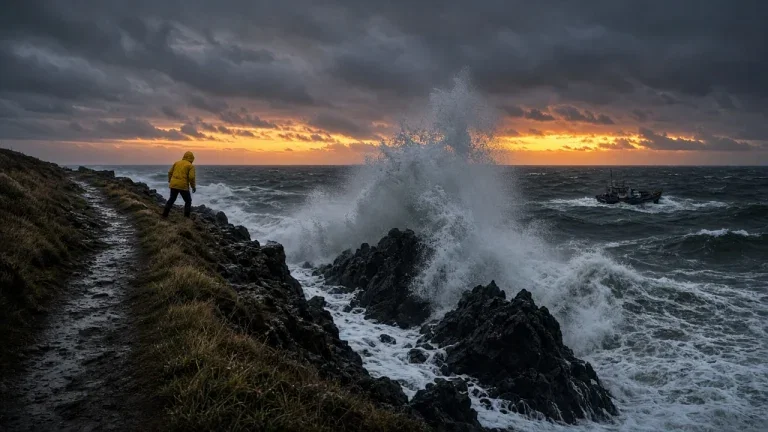
After more than a quarter-century in law enforcement, I can tell you that investigation and research are close cousins. A detective works a case by asking questions, following leads, checking every story against the evidence and building a file that will hold up in court. A thriller writer does almost exactly the same thing, except the courtroom is the reader’s imagination, and the jury is anyone who has ever lived the life you are writing about.
Readers can feel when a writer has done the work. The details ring true. The world feels solid. Here is how to research your thriller the way a good detective works a case.
Open a Case File
Every investigation starts with organization. Detectives keep case files so nothing gets lost and patterns become visible. Writers need the same discipline.
Create a dedicated place for your research, whether it is a physical binder, a folder on your computer or a notes app. Organize it by topic: characters, locations, history, technical details, timeline. Record where every piece of information came from. Months later, when you need to check a fact or find that perfect detail again, you will be glad you did.
Build a Timeline
Detectives live by timelines. When did each event happen, and in what order? For a thriller, especially one tied to real history, a timeline keeps you honest. It helps you catch errors, like a character using technology that did not exist yet, and it reveals natural points of tension where real events can collide with your plot.
Start With What You Know
The first witness in any investigation is often yourself. Before you go looking for outside sources, take stock of what you already know. Your own experiences, the jobs you have held, the places you have lived and the people you have met all hold material.
For me, that meant years in the Marine infantry and on the street as a police officer, including assignments on SWAT and in undercover narcotics. Those experiences gave The Typhoon Coast much of its texture. But personal experience is only a starting point. Memory is unreliable, and even firsthand knowledge needs to be checked.
Interviews: Work Your Witnesses
The best source for any thriller is a person who has been there. Police officers, soldiers, Marines, doctors, pilots, fishermen, lawyers and people who survived the events you are writing about can give you details no book ever will.
- Do your homework first, so you do not waste their time on basics
- Ask open questions that invite stories rather than yes-or-no answers
- Ask about the senses: what did it smell like, sound like, feel like?
- Ask what writers and movies usually get wrong
- Listen more than you talk, and let silences stretch
Earn Their Trust
Many people who have done hard jobs are wary of writers, often because they have seen their professions portrayed badly. Be respectful and honest about what you are writing. Offer to let them review technical passages. Keep confidences. Protect their privacy if they ask. Treated well, a good source can become a lifelong ally for your writing.
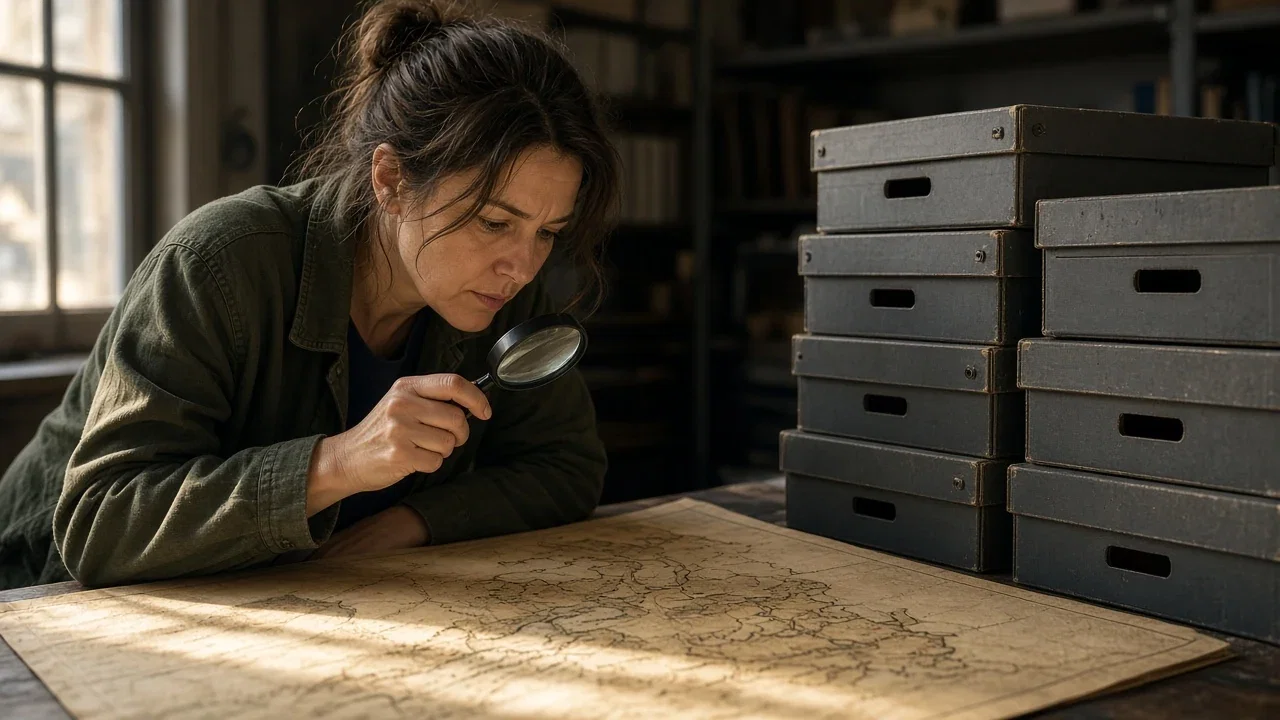
Primary Sources and Archives
Detectives prefer original evidence to secondhand accounts, and writers should too. Primary sources are materials created at the time of the events: letters, diaries, newspapers, photographs, maps, official reports and recordings. They capture details that later histories smooth over.
Libraries, historical societies, university collections and government archives hold enormous amounts of this material, and many have digitized large parts of their collections. Old newspapers are especially valuable for capturing how people talked, what they worried about, what things cost and what made headlines.
Maps Tell Stories
Historical maps reveal how places looked at the time of your story: which roads existed, where the shoreline ran, what buildings stood on a corner. For a story set in a real city or region in the past, period maps can keep you from placing a character on a street that had not been built yet.
Public Records and Reports
Investigators rely heavily on public records, and writers can too. Court records, government reports, scientific studies and official investigations often contain extraordinary detail.
When I write about the 1991 eruption of Mount Pinatubo, for example, scientific sources like the U.S. Geological Survey’s Pinatubo page offer timelines and technical information that ground the story in fact. Real data can reveal dramatic details you would never think to invent.
Read the Rules
If your story involves police, military or legal procedure, read the actual policies and laws where possible. Many department policies, military field manuals and court procedures are publicly available. Knowing the real rules lets you write characters who follow them, bend them or break them with purpose.
Online Research Without the Rabbit Holes
The internet puts libraries of information at your fingertips, along with endless distractions and misinformation. Use it like a detective uses a database: with a specific question in mind. Start with reputable sources such as government agencies, universities, established news organizations and respected reference works. Follow their citations back to original material whenever you can. Set a time limit for each research session, and write down what you found before you close the browser.
Get Out in the Field
Detectives visit the scene. Writers should too, whenever possible. Walking the streets your characters walk, standing on the beach where a pivotal scene happens or sitting in the kind of bar where a deal goes down gives you details no photo can.
- Note the sounds, smells, light and temperature at different times of day
- Look for small, specific details that only someone who was there would know
- Talk to locals about what has changed and what never does
- Take photos and voice memos to capture impressions before they fade
When You Cannot Go
Not every location is reachable. Some no longer exist as they were. When you cannot visit, combine photographs, video, maps, memoirs and interviews with people who know the place. Street-level imagery and documentary footage can help, but the human voice of someone who lived there adds what images cannot.
Experience It Yourself
Some research has to be physical. Detectives learn by doing, and so can writers. Take a firearms safety course. Go on a police ride-along if your local department offers one. Try a sailing lesson before writing a storm at sea. Hike a jungle trail in the heat.
You will not become an expert in an afternoon, but you will learn what something feels like in your body, and that sensory knowledge will come through in your prose. You will also learn how much you do not know, which is valuable on its own.
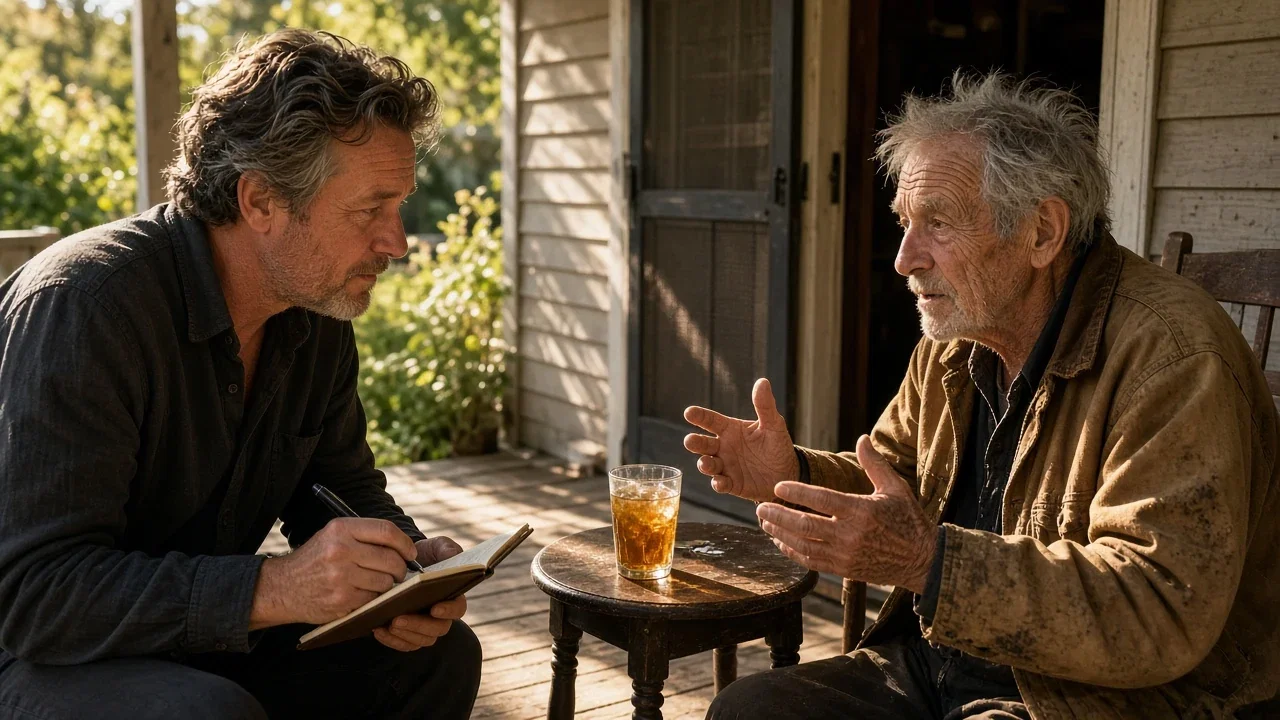
Motive, Means and Opportunity
Detectives test every theory of a crime against three questions: who had a motive, who had the means and who had the opportunity? Those same questions make a powerful research tool for thriller plots.
When you build a villain’s scheme, research whether it could actually work. What would a real criminal need to pull it off: money, skills, equipment, inside access? How long would it take? Where would it leave evidence? When you understand how a crime would really be committed, you also understand how it would really be investigated, and that gives your hero a believable path to the truth.
Research the Villain, Not Just the Hero
Writers often research their protagonist’s world in depth and leave the antagonist vague. Readers notice. Learn how smugglers move cargo, how con artists earn trust, how corrupt officials hide money. Read court cases and investigative journalism about real schemes. A villain who is competent and grounded in reality is far more frightening than one who succeeds only because the plot requires it.
Follow the Money
Investigators often say to follow the money, and it works in fiction too. Ask who profits from the events of your story. In The Typhoon Coast, a treasure on the scale of the Golden Lily legend could afford enormous power and bankroll covert operations, which explains why so many different players want it. When the money makes sense, the conflict makes sense.
Verify, Verify, Verify
Detectives know that witnesses get things wrong, documents contain errors and the most confident source is not always the most accurate. Writers should approach research with the same healthy skepticism.
Cross-check important facts with more than one source. Be especially careful with information found online, where errors spread quickly. When sources conflict, dig deeper or choose the version that best serves the story while staying within the bounds of what is plausible. Legends, like the Golden Lily Treasure at the heart of The Typhoon Coast, are a special case: the uncertainty itself can become part of the story.
Know Where Fact Ends and Fiction Begins
Autobiographical and historical fiction both blend real events with invented ones. Be deliberate about where that line falls. Readers accept invented characters and plots, but they expect real history, places and procedures to be represented fairly. An author’s note explaining what is true and what is invented can build trust.
Know When to Stop
Research can become a hiding place. It feels productive, and it is easier than facing the blank page. Detectives eventually have to close the file and make a case. Writers eventually have to stop researching and write.
A useful rule is to research enough to start, then research specific questions as they come up during drafting. Flag gaps in your manuscript with a placeholder and keep moving. Many details you think you need will turn out to be unnecessary, and the ones you truly need will become obvious.
Use Details Like Evidence
When it comes time to put research on the page, think like a prosecutor presenting evidence. You do not show the jury every scrap in the file. You choose the pieces that prove your case.
Readers do not need every fact you uncovered. They need a few precise, vivid details that make the scene feel real and move the story forward. One authentic detail, perfectly placed, does more than a page of explanation. The rest of your research is not wasted. It gives you the confidence to write with authority, and readers will feel that confidence even when they never see the file behind it.
To see how real history and lived experience come together in a thriller, visit About the Typhoon Coast, or read Treasure Hunting for a look at the legends behind the story.