The other side of hard is where real growth begins. On December 3, 2025 at 12:00 Pacific, I’m honored to be the featured speaker for the Joe Rosenthal Chapter of the U.S. Marine Corps Combat Correspondents Association. The chapter’s Speaker Series creates a valuable space where Marines, veterans, journalists, and friends of the community can gather around stories of service, resilience, and the ongoing process of making meaning from hard-earned experience.
The Joe Rosenthal Chapter carries the name of one of the most iconic combat correspondents in American history. Rosenthal’s work reminds us that documentation—telling the truth of what people endure and how they rise to meet it—is a form of service in its own right. Today, the chapter continues that legacy by supporting Marine Corps communicators and hosting events that explore both the realities of conflict and the personal, human journey that follows.
Post-Traumatic Growth and the Other Side of Hard
This month’s presentation focuses on Post-Traumatic Growth: positive psychological change as a result of challenging circumstances. Post-traumatic growth (PTG) isn’t a slogan or a feel-good shortcut. It doesn’t suggest trauma is “worth it,” or that pain should be minimized. Instead, PTG is a framework for understanding how people can rebuild after adversity in ways that include greater strength, deeper relationships, clearer priorities, and a renewed sense of purpose. Growth doesn’t cancel grief; it lives alongside it.
During the talk, I’ll share practical, field-tested ways to cultivate post-traumatic growth—especially for veterans, first responders, and families who live near high-stress worlds. We’ll explore how growth often begins with learning to “struggle well”: not avoiding the hard parts, but developing skills to move through them with intention. We’ll talk about stabilizing habits that support the nervous system, the importance of realistic self-compassion, and how small daily choices can nudge us toward steadier ground.
A key theme is that growth is rarely a solo project. We tend to heal and transform in relationship. PTG thrives where there’s room for honest conversation—where people can speak about what they’ve seen, what they’ve lost, and who they’re becoming without being reduced to a single moment or diagnosis. Community matters: a trusted friend, a spouse, a teammate, a counselor, a mentor, or a group that simply understands the terrain. Growth accelerates when people feel safe enough to tell the truth.
What the Other Side of Hard Looks Like
We’ll also dig into what PTG looks like in real life. Sometimes it shows up quietly: better sleep, steadier reactions to stress, a willingness to ask for help, or a re-discovered sense of humor. Sometimes it’s more visible: a new mission, a repaired relationship, or the courage to lead again. PTG is not linear. It’s often uneven—two steps forward, one step back—but still meaningful movement. Researchers have studied this for decades, and the research on post-traumatic growth backs up what so many veterans already know: the other side of hard is real, even when the road there is rough.
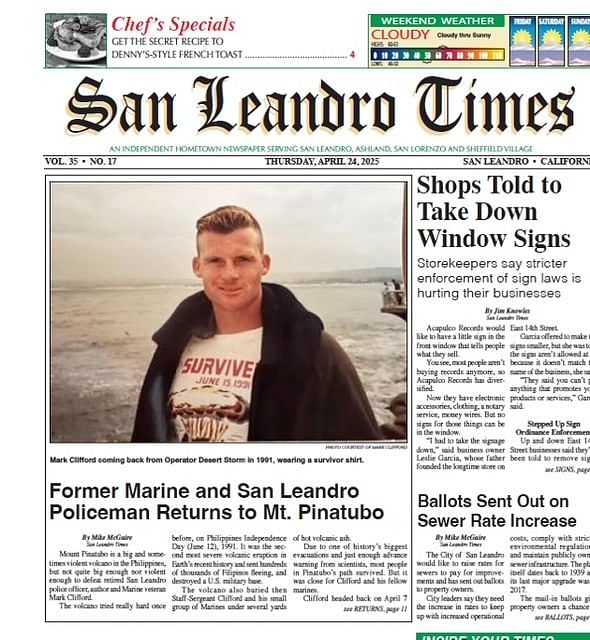
If you’re able to join, I’d love to see you there. Whether you’re navigating your own recovery, supporting someone you care about, or simply curious about how humans adapt after adversity, this session is for you. The Joe Rosenthal Chapter has built a welcoming, thoughtful community around these conversations, and I’m grateful to be part of it. If you’d like to know more about the road that brought me here, you can read about Mark R. Clifford and the experiences that shaped my own path.
Reaching the Other Side of Hard Together
I know from my own life that the other side of hard rarely arrives all at once. For me, the journey has involved looking back at my years as a Marine in the Philippines, writing about them, and eventually returning to places that once held only painful memories. Storytelling became one of my most important tools. Putting experience into words helped me make sense of it, and sharing those words connected me with people who were walking similar roads.
That is a big part of why I wrote my novel. If you’re curious about how those experiences found their way into fiction, you can read more on the Typhoon Coast novel page. And if you or someone you love is struggling right now, please reach out for support. Veterans in the United States can contact the Veterans Crisis Line at any time.
One lesson I return to again and again is patience. Hard seasons have their own timeline, and trying to rush through them usually backfires. What helps is showing up for the next small step: a phone call to a friend, a walk outside, a page of writing, an honest answer when someone asks how you are really doing. Those small steps add up. Over months and years, they become a path.
Another lesson is that the other side of hard doesn’t mean forgetting. The memories stay. What changes is our relationship with them. They can become a source of wisdom and empathy instead of only pain. When we share them with care, they can even become a light for someone else who is still in the middle of the storm.
I’m still learning, too. None of us arrives at a finish line where everything is resolved. But I’ve come to believe that growth is possible for anyone willing to keep walking, and that we walk farther when we walk together.
To attend, contact Tom Graves at tom@tomgraves.com
for the Zoom details. I hope you’ll join us on December 3, 2025 and I look forward to the conversation.
12/4/25: Thank you to everyone who joined us for this conversation on post-traumatic growth! Your presence, questions, and openness made the session meaningful and energizing. I’m grateful to the Joe Rosenthal Chapter for the invitation and to each of you for helping create a space where honest stories and real growth can be shared.
